SGB Custom Painting Blog
Lead-Safe Painting for Chico Homes Built Before 1978
Frank White • June 6, 2026 | Chico, CA | USA
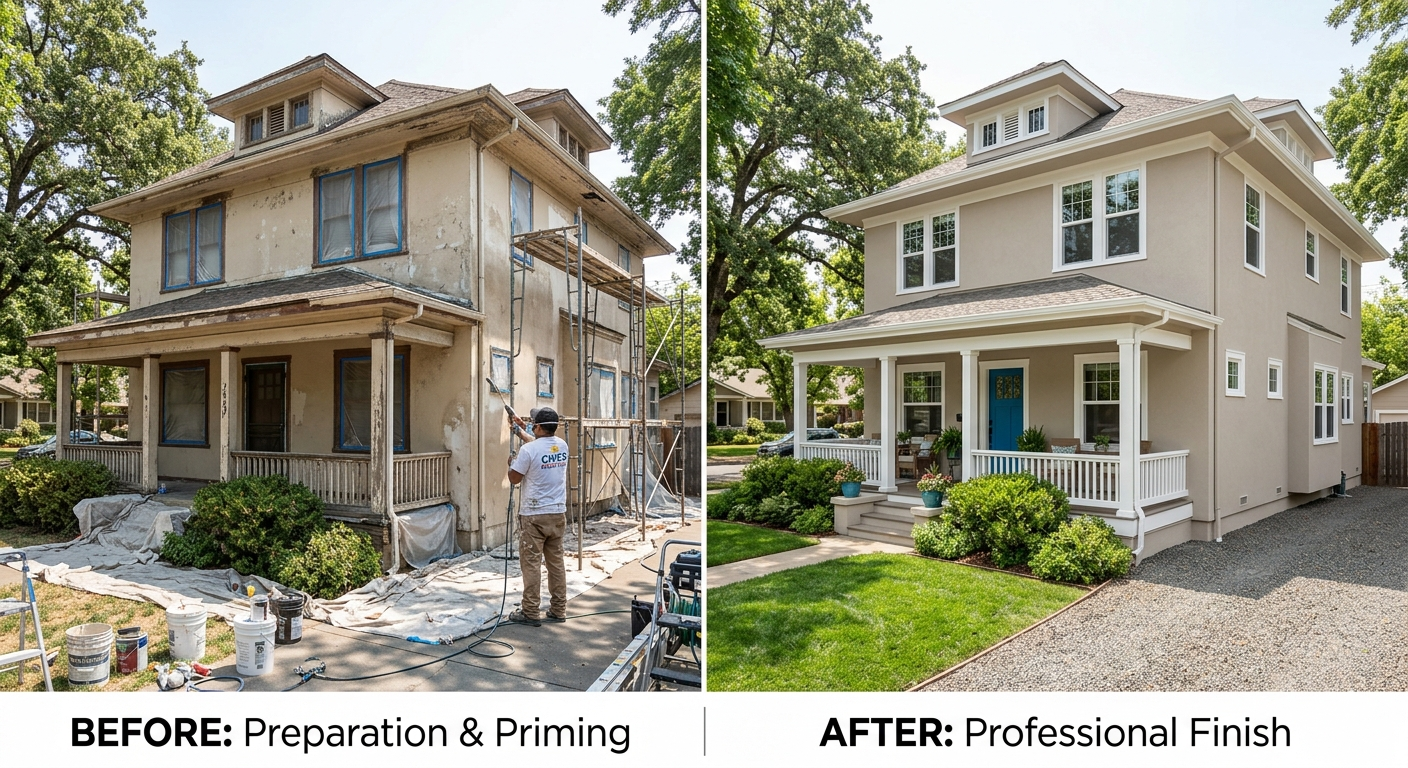
Many of Chico’s most loved homes, from the bungalows in the Avenues to the older houses around the Barber neighborhood, were built before 1978. That was the year lead-based paint was banned for homes in the U.S., so older homes may still have lead paint under newer layers. Lead paint that is intact and covered is not usually an immediate hazard. The risk comes when it is disturbed. Scraping, sanding, and cutting through old paint creates fine lead dust and chips that can settle on floors, windowsills, and soil, where young children and pets can pick it up. That is why federal rules control how painters work on older homes. Our post on latex vs oil paint for Chico exteriors explains why lead matters when repainting an older home. This guide goes further: what lead-safe certification actually means, what you should see on site, how to check your painter, and how to find out whether your paint contains lead.
Quick Answer: What Is Lead-Safe Painting?
Lead-safe painting means following the U.S. Environmental Protection Agency’s Renovation, Repair and Painting (RRP) Rule when working on painted surfaces in homes built before 1978. Painters who are paid for this work must work for an EPA-certified firm and use a certified renovator, contain the work area, avoid banned methods like open-flame burning, clean up with HEPA vacuums and wet wiping, and check that the area is clean before you move back in.
What Is the EPA RRP Rule?
The RRP Rule has been fully in effect since April 22, 2010. It applies to paid work that disturbs painted surfaces in homes, child care facilities, and preschools built before 1978. According to the EPA, anyone paid to do this work must be certified in lead-safe work practices, including sole proprietors. In California, the program is run by the EPA directly.
Certification has two parts:
- Certified firm: the painting company itself must be certified by the EPA.
- Certified renovator: at least one person on the job must have completed EPA-accredited training.
Other workers must be trained on the job by the certified renovator. Renovator certification lasts three years for online training and five years for hands-on training.
When Does the Rule Apply?
The rule covers most painting jobs on older homes, but not tiny touch-ups. The EPA treats work that disturbs 6 square feet or less of paint per room inside or 20 square feet or less outside as minor repair, which is exempt. Most exterior repaints and many interior projects go well beyond those limits. The exemption does not apply to window replacement, demolition of painted surfaces, or any of the banned work methods listed below. The rule also does not apply if the home has been tested and found to be free of lead-based paint (see testing below).
Lead-Safe Painting Is Not Lead Abatement
These two terms are often confused. RRP work is ordinary painting or renovation done in a way that controls lead dust. Lead abatement is a separate service designed to permanently remove or seal lead hazards, and it falls under different rules and certifications. Painting over lead paint with regular paint is not abatement. If you want lead permanently removed, you need a certified abatement contractor, not just a lead-safe painter.
What Lead-Safe Work Looks Like on Site
If your home was built before 1978, here is what you should see from a lead-safe painting crew. These steps come from the EPA’s RRP work practice rules.
Before Work Starts
- You receive the Renovate Right pamphlet. The firm must give you the EPA’s lead-safety pamphlet no more than 60 days before work begins and get your written acknowledgment that you received it.
- Warning signs are posted to mark the work area.
Containment
For interior work, the crew closes windows and doors in the work area, covers doorways with plastic, and seals air vents in the work area with plastic sheeting and tape so dust cannot spread through the house. Floors are covered with plastic, and furniture is removed or covered.
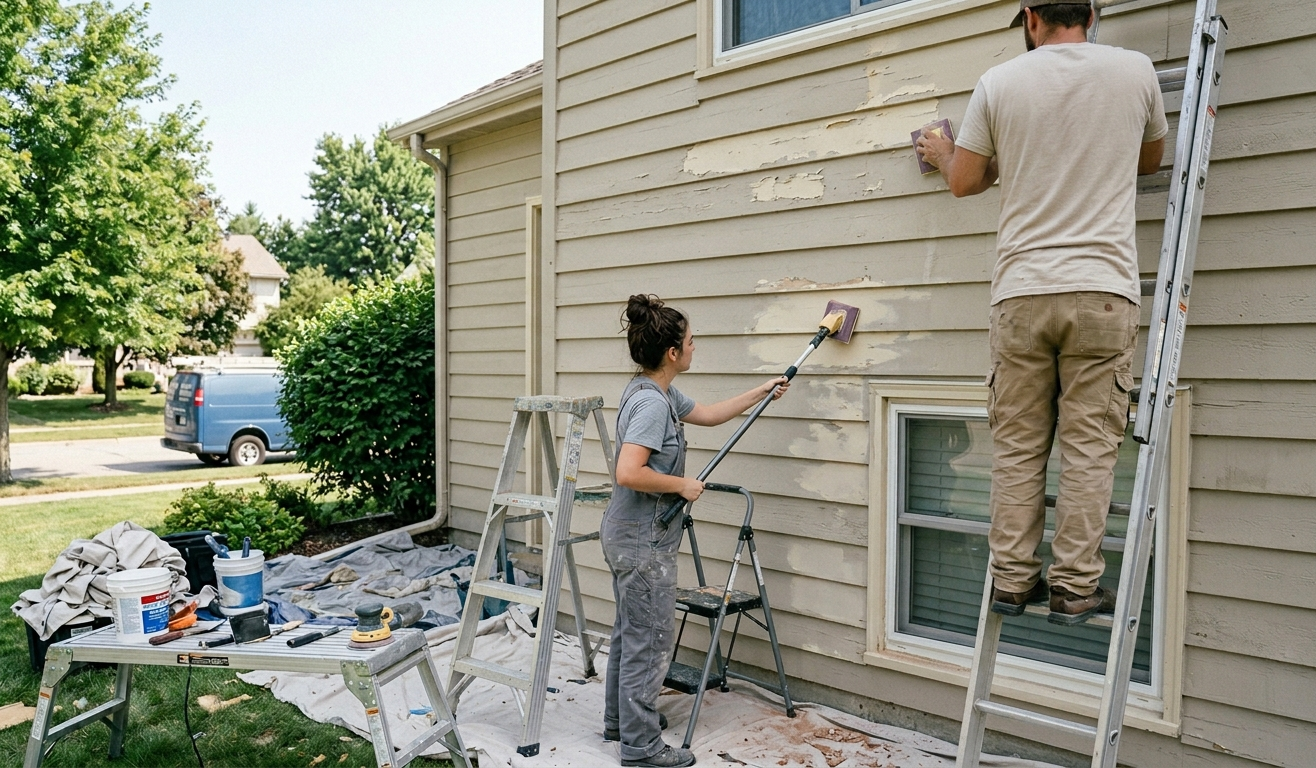
For exterior work, the crew lays plastic sheeting on the ground extending at least 10 feet beyond the wall being worked on, farther if needed to catch falling chips. Doors and windows within 20 feet of the work are closed. This protects your soil, garden beds, and play areas from paint chips.
Methods That Are Banned or Restricted
- Open-flame burning or torching of painted surfaces is not allowed.
- Heat guns can only be used below 1,100°F.
- Power sanders, grinders, and similar machines can only be used with a shroud and a HEPA vacuum attachment that captures the dust.
In practice, lead-safe crews rely on wet scraping, wet sanding, and HEPA-equipped tools to keep dust down.
Cleanup and Cleaning Verification
When the work is finished, the crew must clean until no dust, debris or residue remains, using HEPA vacuums and wet wiping. Then a certified renovator performs a cleaning verification: wiping floors, countertops, and windowsills with a wet disposable cloth and comparing it to an EPA cleaning verification card. Areas that fail are cleaned again and rechecked. You should not move back into the work area until it passes. If you want extra assurance, you can ask for dust-lead clearance testing after cleanup, done by a certified inspector, risk assessor, or dust sampling technician who sends samples to a lab. This testing is optional under the RRP Rule for most private homes, so agree on it in your contract before work starts.
Records
The firm must keep records showing it followed the rule, including your pamphlet acknowledgment and cleaning verification, for three years. It is reasonable to ask for a copy.
How to Check a Painter Is Lead-Safe Certified
A painter saying “we’re lead certified” is not enough. Check it yourself:
- Search the EPA firm locator. Use the EPA’s lead-safe certified firm search to confirm the company name is listed.
- Ask to see the firm certificate and the certified renovator’s certificate for the person who will be on your job. Check that both are current.
- Ask how they will contain and clean up your specific project. A certified painter should be able to explain the steps above without hesitation.
- Check the contract. Lead-safe work practices, cleanup, and any optional dust testing should be written into the scope. Our painting contract checklist covers what else to include.
- Check their CSLB license too. Lead-safe certification is separate from a California contractor’s license, and you need both. See how to pick a painting contractor.
How to Find Out If Your Paint Contains Lead
If your home was built before 1978, painters will generally treat the paint as if it contains lead unless testing shows otherwise. Testing can tell you for sure. The EPA notes that the only way to know whether a building has lead-based paint is to have it tested. Your options:
- EPA-recognized test kits used by a certified renovator. A certified renovator can test the specific surfaces being worked on. If the tests show no lead, lead-safe practices may not be needed for those surfaces.
- Lead inspection. A certified lead inspector tests painted surfaces throughout the home and reports where lead paint is. This tells you where lead is, but not whether it is currently a hazard.
- Risk assessment. A certified risk assessor checks whether there are current lead hazards from paint, dust, or soil and recommends what to do about them.
In California, lead inspectors and risk assessors are certified by the California Department of Public Health. Hardware-store test kits can give a rough idea, but they are not a substitute for testing by a certified professional if you want to rely on the results.
Does Lead-Safe Painting Cost More?
Usually, yes. The extra cost comes from plastic sheeting, HEPA equipment, more careful prep methods, and the time spent on cleanup and verification. Ask each painter to show lead-safe work clearly in their estimate so you can compare fairly. Our guide on how to read a painting estimate line by line explains what to look for.
Frequently Asked Questions
Does the lead-safe rule apply if I paint my own house?
The federal Renovation, Repair and Painting Rule generally does not apply when you work on your own owner-occupied home without compensation. However, that exemption does not make disturbing lead-based paint safe. Sanding, scraping, drilling, or removing painted materials in a pre-1978 home can release hazardous lead dust. Different requirements may apply to rental properties, child-occupied facilities, paid work, and homes being renovated as part of a business activity. State or local rules may also be stricter. The EPA recommends that homeowners follow lead-safe practices, including containing the work area, minimizing dust, using proper protective equipment, and completing a thorough cleanup.
Is it safe to stay home during lead-safe painting?
You may be able to remain elsewhere in the home during some lead-safe painting projects, but nobody should enter the contained work area until the work and required cleaning are complete. The right arrangement depends on whether the project is indoors or outdoors, where the work is located, and whether children, pregnant people, pets, or other vulnerable occupants live in the home. During exterior work, windows and doors near the work area generally need to remain closed to keep dust outside. EPA guidance states that occupants should not be present in an active renovation area. Before work begins, ask how the painter will isolate the space, control dust, manage access, and determine when it is ready for occupants again.
How do I report a painter who is not following the rules?
You can report a suspected lead-safety violation directly to the EPA using its online complaint process or by calling the National Lead Information Center at 1-800-424-LEAD (5323). The EPA’s lead-based paint complaint page explains where to submit a report and how enforcement responsibilities can vary by location. Record what you observed before reporting it, including the property address, contractor’s name, dates, photographs, and details about dust containment or cleanup. Avoid entering an active work area simply to collect evidence. If lead dust may have reached occupied rooms, keep people away from the affected area and seek guidance about appropriate evaluation and cleanup.
Does painting over lead paint make it safe?
Painting over intact lead-based paint can temporarily reduce direct contact with the old coating, but ordinary paint does not remove the lead or permanently eliminate the hazard. The underlying coating can become dangerous again if the surface peels, deteriorates, or is disturbed during later sanding, drilling, demolition, or repair work. A specialized encapsulant may be part of a professionally planned lead-hazard treatment, but it is not the same as applying standard household paint. The EPA distinguishes renovation work from lead abatement, which is intended to permanently address lead-based paint hazards. If the existing coating is damaged or located on a high-friction surface, consult a qualified lead professional before choosing a treatment.
Lead-Safe Painting for Older Chico Homes
SGB Custom Painting is EPA Lead-Safe Certified and follows lead-safe work practices on older homes across Chico and the North Valley. If your home was built before 1978, we will explain how we will contain, protect, and clean up for your project before work starts. Contact us to book a free estimate for interior or exterior painting, or start with our Painting Cost Estimator.
About SGB Custom Painting
SGB Custom Painting is a trusted Chico Painting Contractor known for clean prep, clear communication, and color that holds. For more than twenty five years, our local team has delivered interior, exterior, and cabinet projects for homes and businesses with careful protection, proper priming, and tidy jobsites. We follow EPA lead safe practices on older properties, keep schedules dependable, and give every project the respectful touch the North Valley deserves.

Love Your Space Again, Starting Today!
Locally Owned & Operated • EPA Lead Safe Certified • CSLB Licensed
Call 530-924-4109 or complete the form and expect a friendly call to confirm scope, discuss color options if needed, and deliver a no surprise estimate you can approve with confidence.
Contact Us
Refresh Your Home With Professional Painting
If you are thinking about repainting your interior, freshening up exterior siding, updating tired kitchen cabinets, or giving your business a cleaner look, our team is here to help you plan it right and paint it to last. Reach out to SGB Custom Painting to talk through your project, get honest expert guidance, and take the next step toward a home or workspace you will be proud of every day.
Follow Us
Elevate Your Space with SGB Custom Painting