SGB Custom Painting Blog
How to Prepare Your Home for an Interior Painting Project in Chico
Frank White • September 11, 2026 | Chico, CA | USA

Have you ever wondered how much you should actually do before professional painters arrive at your home? Preparing for an Interior Paint project can feel confusing because some homeowners assume they need to empty every room, repair every wall, and clean every surface before the crew arrives. Others expect the painters to handle everything from start to finish. At SGB Custom Painting, we know the best approach usually falls somewhere in the middle. Homeowners can make the process much smoother by removing personal belongings, making work areas accessible, finalizing color decisions, and discussing expectations before painting begins. Professional painters then handle the surface preparation that is part of the agreed project scope. For homeowners planning interior painting in Chico, a little preparation can reduce delays, protect belongings, and make the overall experience much easier. In this guide, we will explain what you should do before painters arrive, what you can usually leave to the professionals, and how to prepare each part of your home without creating unnecessary work for yourself.
How Do You Prepare Your Home for Interior Painting?
Preparing your home for interior painting usually means clearing personal belongings, making walls and work areas easy to access, confirming paint colors, and discussing responsibilities with your painter before the project begins. Start by removing fragile items, artwork, photos, and small furniture from rooms being painted. Larger furniture can often be moved toward the center of the room if the painter agrees, then covered for protection. Clear shelves, countertops, and other surfaces so the crew can work efficiently. You should also point out wall damage, stains, or areas of concern instead of rushing to repair them yourself, since professional preparation may already be included in the project. Make arrangements for pets and young children so they stay away from active work areas and wet paint. Homeowners planning Interior Painting Chico should also confirm colors, finishes, access, parking, and the order in which rooms will be painted. The goal is not to do the painter's job before they arrive. Good preparation simply removes obstacles, protects personal belongings, and ensures everyone understands what will happen once the project starts.
What Should I Do Before Interior Painters Arrive?
The best preparation usually involves making the home easier to work in rather than completely emptying it. Start with smaller personal items. Remove picture frames, plants, lamps, decorations, books, and other objects that could get in the way or be accidentally damaged. Clear countertops, window sills, shelves, and tables located close to the walls being painted. Take artwork and photographs down ahead of time. If you plan to reuse the same hanging locations, let your painter know before nail holes are filled. Make sure hallways and entrances are clear enough for painters to move ladders, tools, coverings, and paint safely through the home. It is also helpful to identify exactly which rooms and surfaces are included in the project. If closets, ceilings, trim, doors, or built-ins are part of the job, confirm that before painting day. Good preparation reduces questions and interruptions once work begins.
Do I Need to Move Furniture Before Interior Painting?
In most cases, yes, but you may not need to remove every piece from the room. Small furniture is usually easiest to move completely out of the active work area. Chairs, side tables, lamps, and lightweight pieces can often be relocated to another room. Larger furniture may be moved toward the center of the room if there is enough working space around the walls. Painters can then protect it with appropriate coverings.
Heavy, delicate, or expensive pieces should be discussed before the project begins. You may want to arrange special handling rather than moving them at the last minute. Every painting company handles furniture differently, so ask what the crew expects before the scheduled start date. Do not assume painters will automatically move everything, especially unusually heavy pieces, electronics, antiques, or items that require disassembly. The goal is to create enough clear space for safe and efficient access to the walls, trim, and ceilings being painted.
Should You Remove Everything From the Walls Before Painting?
Removing most wall-mounted items before painting is usually helpful. Take down artwork, mirrors, photographs, clocks, wall decorations, and lightweight shelving if those items are easy to remove. Wall-mounted televisions, larger shelving systems, or difficult fixtures should be discussed with your painter beforehand. Curtain rods and window treatments may also need to be removed depending on what surfaces are included in the project. One important decision involves nail holes and mounting points. If you plan to put artwork back in exactly the same place, tell the painter before preparation begins. Otherwise, holes may be filled and sanded as part of the wall preparation. Removing decorations also gives you an opportunity to reconsider the room once the new paint is complete. Many homeowners decide to rearrange artwork or reduce visual clutter after seeing the freshly painted space.
Should You Clean Walls Before Professional Painters Arrive?
Some basic cleaning can be helpful, but extensive wall washing may not always be necessary. Dust, cobwebs, grease, smoke residue, and other contamination can affect paint preparation. Kitchens and bathrooms may require more attention because surfaces are more likely to accumulate grease, moisture, or residue. However, professional painting projects often include some level of cleaning and surface preparation. Before spending hours washing every wall, ask your painter what is included. If the crew is already planning to clean, sand, or prepare the walls professionally, doing extensive work yourself may be unnecessary. Homeowners can still help by removing excessive household dust, cleaning cluttered areas, and making sure surfaces are reasonably accessible. The most important part is communication. Understand which preparation tasks belong to you and which are part of the painter's scope. For older homes where lead-safe preparation is required, the EPArecommends careful dust control and cleaning practices. Its guidance includes using HEPA vacuuming and damp cleaning methods to remove dust from walls, floors, furniture, and other surfaces after work that may disturb lead-based paint.
Do Walls Need to Be Repaired Before Painting?
Wall damage should be addressed before paint is applied, but that does not necessarily mean homeowners should complete the repairs themselves. Small nail holes, dents, cracks, peeling paint, damaged drywall, water stains, and old patchwork can all affect the final appearance.
Point these areas out during the estimate or before the project begins. Professional painters often perform minor patching, sanding, caulking, and other preparation depending on the agreed scope.
Rushed DIY repairs can sometimes create more work. Filler applied too heavily, poorly sanded patches, or incorrect materials may leave visible imperfections beneath the finished paint. Larger cracks or signs of water damage may also need further investigation before painting. Paint should not be used to hide an active leak or structural problem. The underlying issue should be corrected first.
Why Surface Preparation Matters Before Interior Paint Is Applied
Surface preparation is one of the most important parts of a quality painting project. Even excellent paint can look uneven or fail prematurely when applied over poorly prepared surfaces. Preparation may include removing loose material, cleaning, filling holes, sanding rough areas, caulking gaps, and priming when necessary. These steps create a more uniform surface and help the paint bond properly. Preparation also affects how smooth the final finish looks. Small imperfections that seem unnoticeable on an unpainted wall can become more visible after new paint is applied, especially under strong natural or artificial light. At SGB Custom Painting, we see preparation as part of the finished result rather than a separate inconvenience before painting starts. A clean, stable, properly prepared surface provides the foundation for everything that comes afterward.
Do You Need Primer Before Painting Interior Walls?
Primer is useful in many situations, but it is not required on every interior wall. If a wall is already painted, in good condition, and being covered with a similar color, a separate primer coat may not always be necessary depending on the product being used. Primer is more commonly helpful when painting new drywall, covering significant repairs, sealing stains, changing dramatically from a dark color to a light one, or working with porous surfaces. It can also help when there are adhesion concerns.
Water stains deserve special attention. They should not simply be covered with standard wall paint because they may bleed through again or indicate an unresolved moisture problem. The best approach is to let the painter evaluate the actual surface and determine whether primer is needed. Using primer everywhere when it is unnecessary adds time and material cost. Skipping it when it is necessary can compromise the final result.
What Should You Do With Pets and Children During Interior Painting?
Pets and young children can make an active painting area much more difficult to manage. Dogs and cats may be curious about unfamiliar workers, open doors, ladders, coverings, and wet paint. Even a well-behaved pet can accidentally brush against a freshly painted wall or walk through a work area. If possible, keep pets in a secure part of the home that is not being painted or arrange for them to stay elsewhere during active work. Children should also be kept away from ladders, tools, drop cloths, paint containers, and freshly painted surfaces. If the project affects bedrooms, common spaces, or hallways, discuss the schedule with your painter so you can plan around the work. Knowing which rooms will be unavailable on particular days can make family routines much easier to manage.
How Should You Prepare Your Kitchen for Painting?
Kitchens require a little more preparation because they contain food, appliances, countertops, cabinetry, and surfaces that can collect grease. Start by clearing countertops of small appliances, utensils, food containers, decorations, and other loose items. Store food safely away from the active painting area. Remove anything from the top of cabinets if those areas are near the work zone. Larger appliances may or may not need to be moved depending on which walls are being painted. Discuss refrigerators, ranges, or other heavy appliances with your painter instead of moving them unnecessarily. Kitchen walls near cooking areas may also need additional cleaning if grease or residue is present. If cabinetry, trim, ceilings, or doors are included in the project, confirm those details before preparation begins.
How Should You Prepare Bedrooms and Living Areas?
Bedrooms and living rooms tend to contain many personal items, so preparing them usually means simplifying the space. In bedrooms, remove lamps, decorative items, bedding that could be exposed to dust, and personal belongings close to the walls. Move clothing or other items away from areas painters need to access. In living rooms, protect or relocate electronics, artwork, rugs, fragile decorations, and smaller furniture. Large sofas or entertainment units should be discussed with the painting crew before moving them. If curtains or blinds interfere with the work, ask whether they should be removed. The goal is not to empty the room completely. It is to give the crew enough space to prepare and paint efficiently while keeping your belongings protected.
Should You Remove Outlet and Light Switch Covers Before Painting?
In many professional painting projects, painters remove or protect outlet and switch covers as part of the preparation process. However, this varies by company and project scope. Ask your painter before removing them yourself. There is rarely a benefit to homeowners unnecessarily working around electrical components when the painting crew already has a standard process for preparing these areas. If covers are being replaced as part of your renovation, have the new ones ready when appropriate. Clear communication avoids situations where both the homeowner and painter assume the other person is handling the task.
How to Protect Valuable and Fragile Items Before Painting
Valuable or fragile belongings deserve more protection than simply being pushed across the room. Artwork, glass decorations, collectibles, electronics, antiques, family photographs, and delicate furniture are usually safest outside the active work area. Even when painters use drop cloths and coverings, removing fragile belongings reduces the possibility of accidental damage. Do not stack valuable items in a hallway that the crew will need to use. Choose a separate room or storage area where they can remain untouched until the project is finished. This is also a good time to photograph or document particularly valuable items if you are reorganizing several rooms. A little extra organization before the project begins can make painting day much less stressful.
Plan Your Paint Colors Before the Project Starts
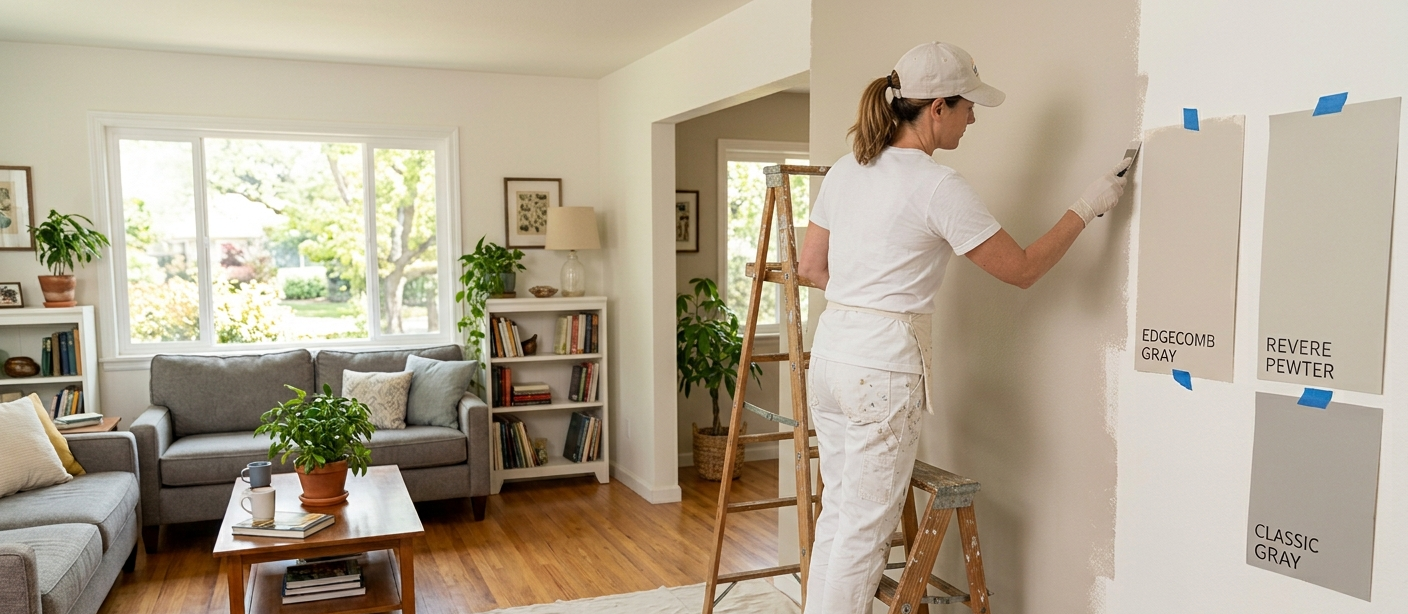
Color decisions should ideally be finalized before the scheduled painting date. Confirm wall colors, ceiling colors, trim colors, accent walls, and finishes. Last-minute changes can affect the amount of paint required, material availability, and project scheduling. If you are still uncertain about color, communicate that early rather than waiting until painters arrive. Samples should be viewed under the actual lighting conditions of the room. For homeowners planning interior painting in Chico, natural light can strongly influence how color appears throughout the day, so checking samples in morning, afternoon, and evening conditions is worthwhile. Finalizing colors ahead of time allows the project to begin with a clear plan.
What Should You Ask Your Painter Before the Project Begins?
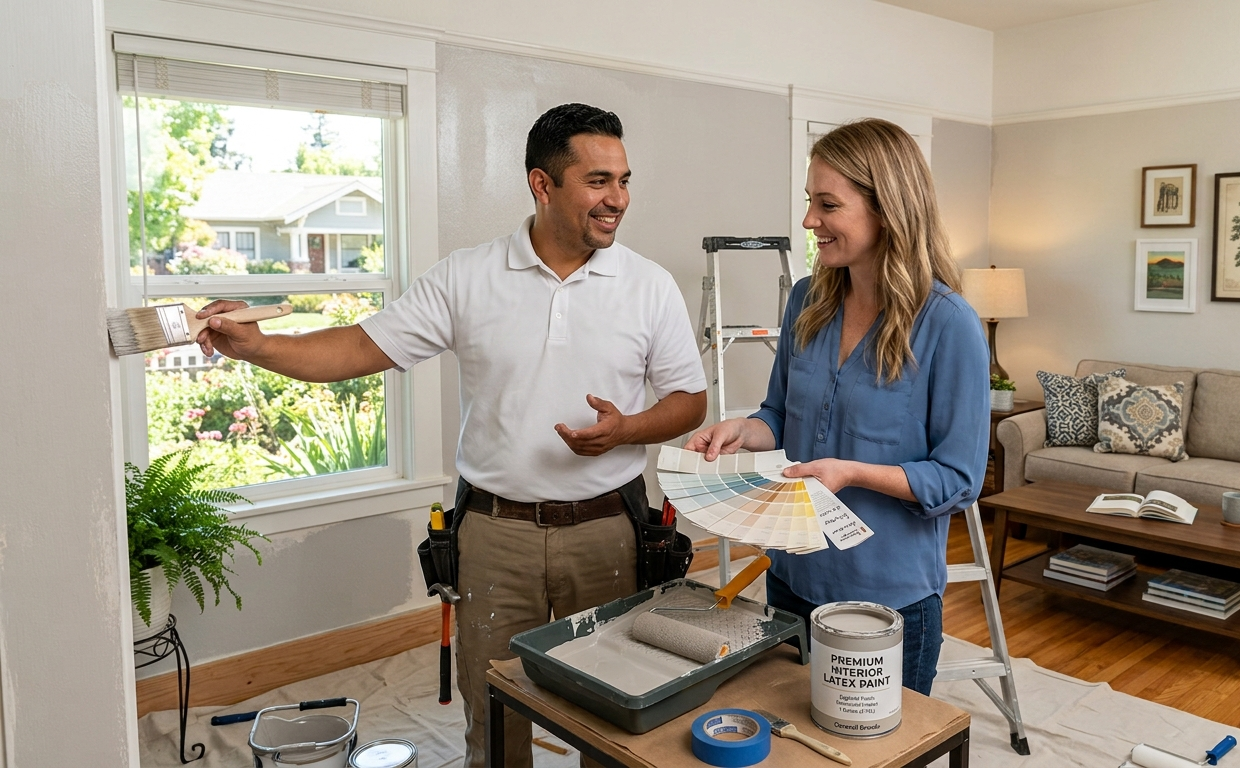
A short conversation before the start date can prevent many misunderstandings. Ask what furniture you should move and what the crew can handle. Confirm what preparation is included, including patching, sanding, cleaning, and priming. Ask how floors, furniture, counters, and other surfaces will be protected. Discuss the order in which rooms will be completed so you can plan your household routine. If you have pets or children, ask whether there are particular access concerns. You should also know when painted rooms can be used again and who to contact if questions arise during the project. Professional interior painters should be able to explain these expectations clearly before work begins.
Common Mistakes to Avoid Before an Interior Painting Project
One common mistake is waiting until the morning painting starts to choose colors. Another is leaving fragile belongings throughout the work area and expecting painters to organize them. Rushed drywall repairs can also create problems. If patching is included in the professional scope, homeowners may be better off leaving damaged areas visible for the crew to assess properly. Do not forget smaller spaces included in the project, such as closets or hallways. These areas may still need to be cleared. Pets are another easy detail to overlook. Planning where they will stay beforehand is much easier than trying to manage them while painters are carrying equipment through the home. It is also wise to avoid scheduling other major household projects in the same room at the same time unless everyone involved has coordinated the work.
How Long Does Interior Painting Preparation Take?
Preparation time depends on the condition of the home and the project scope. A room with clean, smooth walls and very little furniture may require relatively little preparation, while another room with cracks, nail holes, peeling paint, stains, damaged drywall, or heavy furniture may take considerably longer. Trim, doors, ceilings, detailed architectural features, and the number of rooms being painted can also affect preparation time. Homeowners should not assume that a painter spending significant time preparing surfaces means the project is moving slowly. Proper preparation is part of the painting process and can have a major effect on the finished appearance.
Preparation also becomes more important when the existing paint is older or showing signs of wear. If you are unsure whether your walls simply need preparation or are approaching the point where a full repaint is due, our guide on how long interior paint lasts before you need to repaint explains the common factors that affect interior paint lifespan. Taking the time to prepare surfaces properly can help create a smoother, more consistent finish and reduce the likelihood that old imperfections will remain visible after the new paint is applied.
Preparing for Interior Painting Chico Projects
Chico homeowners can make painting projects easier by thinking about both the home and the local environment. During warmer periods, ventilation and indoor comfort may influence how the household uses rooms while painting is underway. Strong natural light can also reveal surface imperfections and change how paint colors appear, making careful preparation and color testing especially useful. Access is another practical consideration. Make sure painters know how they will enter the home and which rooms they can use for staging equipment. If several rooms are being painted, discuss the sequence so your household can continue functioning as comfortably as possible. For Interior Painting Chico, the best preparation usually comes down to clear expectations. Homeowners do not need to do everything themselves. They simply need to understand what should be ready before the crew arrives.
Why Choose SGB Custom Painting
At SGB Custom Painting, we know that homeowners want the painting process to feel organized rather than disruptive. That is why we believe preparation starts with communication. Before the project begins, we want homeowners to understand what should be moved, which surfaces we will prepare, and what to expect while the work is underway. Our experience with residential interiors has shown us how much the finished result depends on careful preparation. Wall repairs, sanding, cleaning, protection, and other details all influence how the completed paint looks.
We also take care to protect the surrounding home while work is happening. Floors, furniture, and nearby surfaces deserve attention just as much as the walls being painted. For homeowners searching for Interior Painting Chico, our approach is to make the process straightforward. We explain what the project requires, identify surface concerns before painting, and communicate through the different stages of the work. A professional interior painting project should leave you focused on the finished space, not wondering what is happening next.
Frequently Asked Questions
Do I need to empty the entire room before painters arrive?
No, you usually do not need to completely empty the room before professional painters arrive. Small furniture, fragile objects, artwork, lamps, decorations, and personal belongings should generally be removed so painters have enough space to work safely. Larger furniture can often remain in the room if it can be moved toward the center and properly covered. However, every painting company handles furniture differently, so it is best to confirm expectations before the project begins. Heavy items, antiques, electronics, and furniture that requires disassembly may need special arrangements. The goal is to provide clear access to walls, trim, ceilings, doors, and other surfaces being painted while keeping your belongings protected from dust, paint, and accidental damage.
Should I vacuum before interior painters come?
Yes, basic vacuuming and general cleaning can help prepare the room, but you usually do not need to perform a deep cleaning unless your painter asks you to. Removing dust, pet hair, cobwebs, and loose debris from floors and areas near the walls makes it easier for the crew to protect surfaces and begin preparation. Kitchens or other rooms with grease and residue may require additional cleaning, but professional painters often include some surface cleaning as part of their preparation process. Before spending hours washing walls or scrubbing every surface, ask what is included in your painting estimate. This prevents you from doing unnecessary work while still ensuring the room is clean enough for painters to work efficiently.
Can I stay home while my interior is being painted?
Yes, you can often stay home while interior painting is underway, but your comfort will depend on which rooms are being painted and how large the project is. Active work areas may contain ladders, drop cloths, tools, paint containers, and freshly painted surfaces, so those rooms may be temporarily difficult to use. If several rooms are being painted, it helps to discuss the work sequence with your painter so you know which areas will remain available. Homeowners with children, pets, allergies, or sensitivities to paint odors may prefer to spend some time away from the active work zone. Good ventilation and clear communication with the painting crew can make it much easier to remain at home during the project.
How far should furniture be moved away from the walls?
Furniture should be moved far enough away from the walls to give painters safe and comfortable access for preparation and painting, but there is no universal distance that works for every project. In many rooms, large furniture can be moved toward the center and covered, while smaller pieces are easier to remove entirely. The amount of clearance needed depends on whether painters are working only on walls or also painting ceilings, trim, baseboards, doors, or built-in features. Large sofas, entertainment centers, heavy beds, and fragile furniture should be discussed with the painting company in advance. Asking about furniture placement before painting day can prevent last-minute moving and help the crew begin work more efficiently.
Can painters work in a furnished home?
Yes, professional painters can usually work in a furnished home as long as there is enough space to access the surfaces being painted and the furniture can be properly protected. Most homeowners do not need to completely empty their house before an interior painting project. Small items and fragile belongings should be removed, while larger furniture can often be repositioned and covered with protective materials. Painters may also use drop cloths, plastic coverings, or other protection for floors and nearby surfaces. The exact preparation depends on the room, furniture layout, and project scope. Discussing furniture and access requirements before the project starts helps prevent delays and ensures both the crew and your belongings are properly protected.
Final Thoughts
Preparing for an Interior Paint project does not mean you need to do all the painter's preparation yourself. The most useful steps are usually simple: remove personal and fragile belongings, create clear access to the work areas, finalize color decisions, identify areas of concern, make plans for pets and children, and understand what the painting crew will handle.
Surface preparation itself is one of the most important parts of professional painting and may include cleaning, patching, sanding, caulking, and priming depending on the project. Homeowners planning Interior Painting Chico will usually have a smoother experience when expectations are discussed before work begins rather than figured out on painting day. A little organization can make the process easier for everyone and allow the crew to focus on creating a clean, professional finished space.
Plan Your Interior Painting Project With Confidence
If you are preparing to repaint your Chico home and are unsure what needs to happen before the project begins, contact SGB Custom Painting to discuss your interior painting plans. We can explain the preparation process, review your space, and help you understand what to expect before painting day arrives.
Follow our social media pages below:
About SGB Custom Painting
SGB Custom Painting is a trusted Chico Painting Contractor known for clean prep, clear communication, and color that holds. For more than twenty five years, our local team has delivered interior, exterior, and cabinet projects for homes and businesses with careful protection, proper priming, and tidy jobsites. We follow EPA lead safe practices on older properties, keep schedules dependable, and give every project the respectful touch the North Valley deserves.

Love Your Space Again, Starting Today!
Locally Owned & Operated • EPA Lead Safe Certified • CSLB Licensed
Call 530-924-4109 or complete the form and expect a friendly call to confirm scope, discuss color options if needed, and deliver a no surprise estimate you can approve with confidence.
Contact Us
Refresh Your Home With Professional Painting
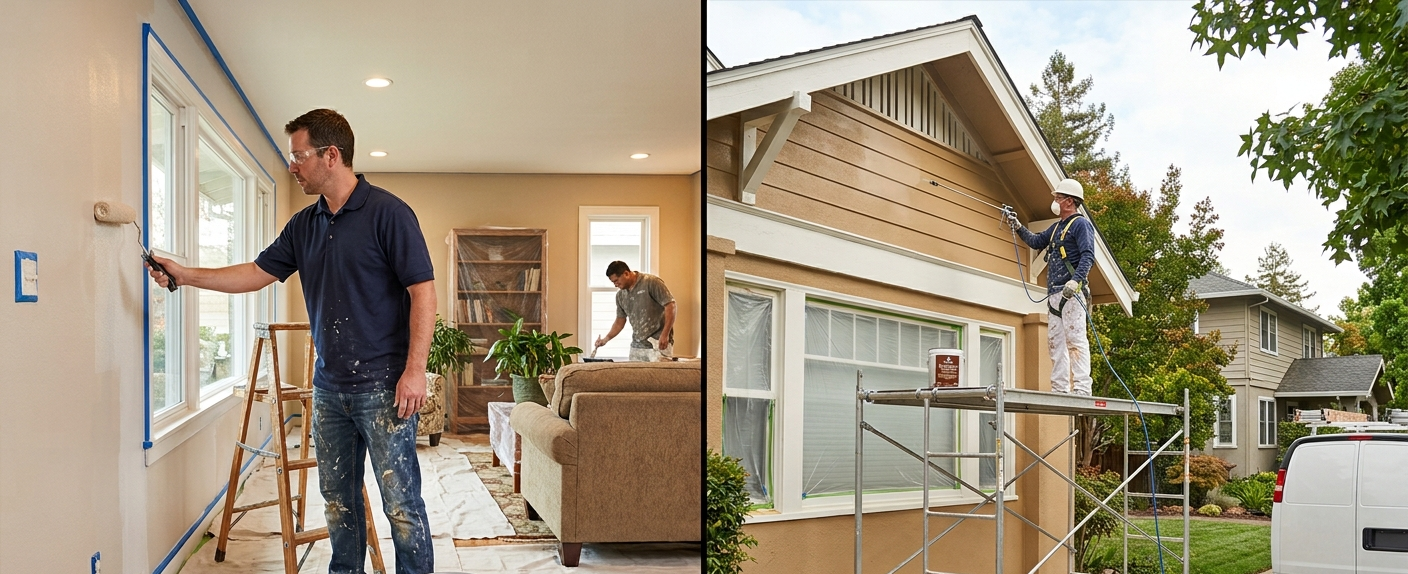
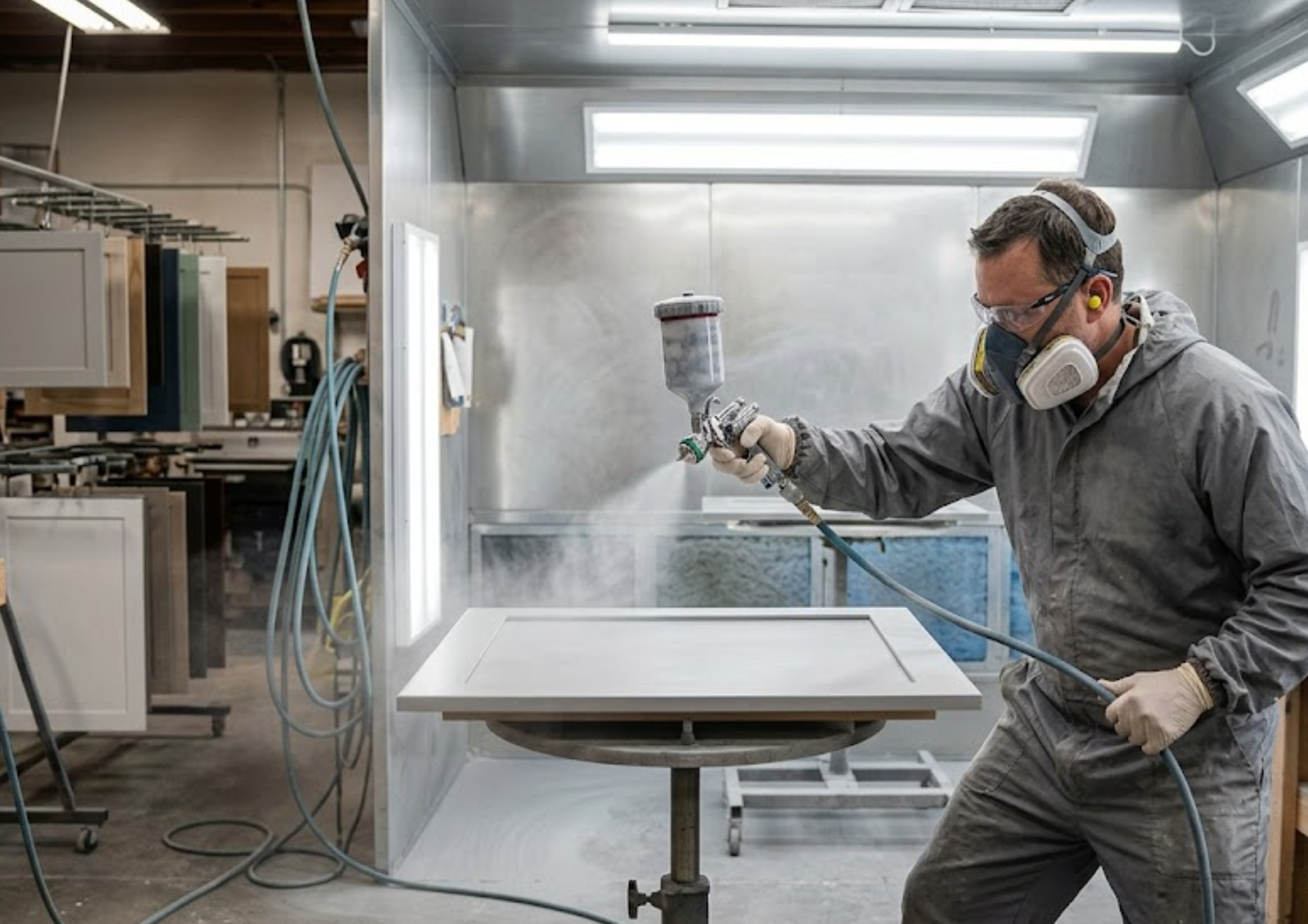
If you are thinking about repainting your interior, freshening up exterior siding, updating tired kitchen cabinets, or giving your business a cleaner look, our team is here to help you plan it right and paint it to last. Reach out to SGB Custom Painting to talk through your project, get honest expert guidance, and take the next step toward a home or workspace you will be proud of every day.
Follow Us
Elevate Your Space with SGB Custom Painting