SGB Custom Painting Blog
What to Do If a Painter Does Poor Work
Frank White • June 4, 2026 | Chico, CA | USA
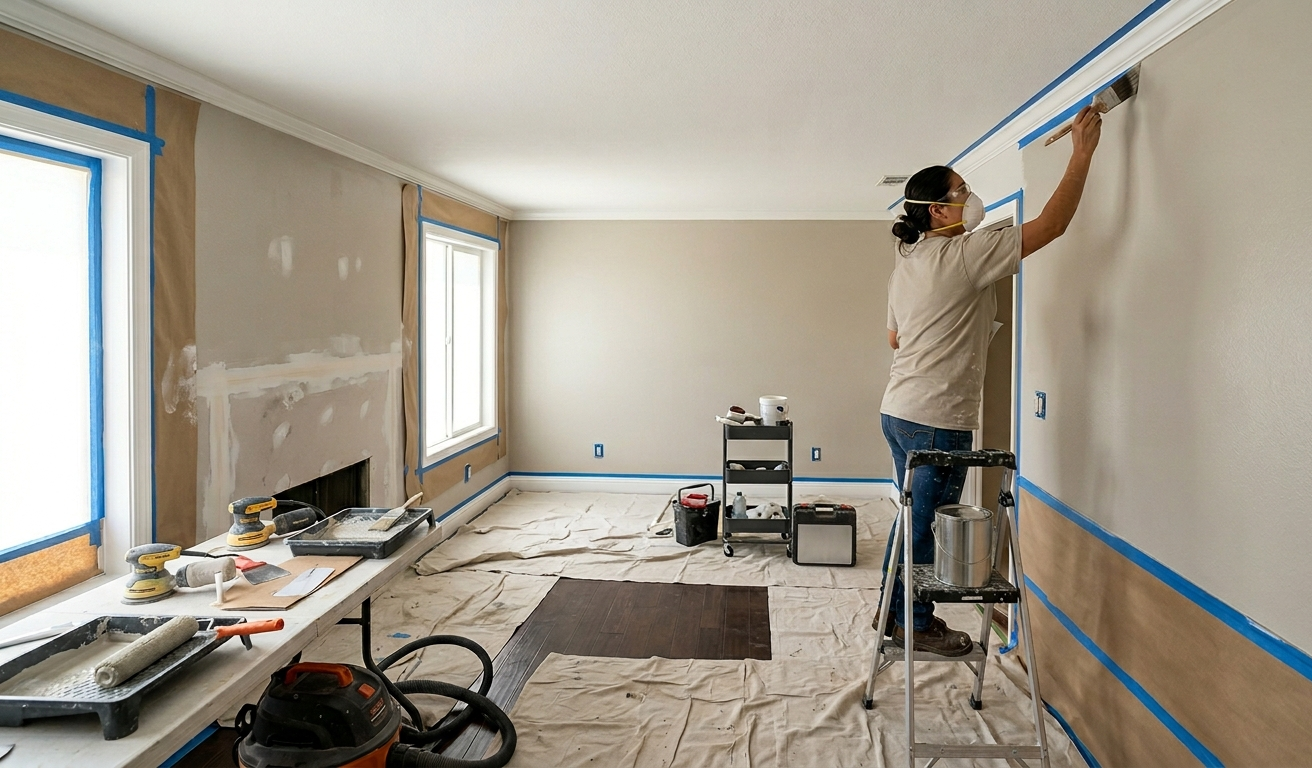
The crew has packed up, and now you are noticing things: drips on the trim, patchy walls, paint on the window glass, or peeling that started a few months after the job. It is frustrating, especially when you have already paid for most of the work. Most painting problems can be fixed without a fight if you handle them in the right order. Start with clear records, give the painter a fair chance to make it right, and keep everything in writing. If that does not work, California homeowners have several options, including the contractor’s bond and a complaint with the Contractors State License Board (CSLB). This guide walks through each step.
Quick Answer: What Should I Do If a Painter Does a Bad Job?
- Photograph and list every problem.
- Walk through the job with the painter and agree on a written punch list.
- Hold the final payment until the punch list is done.
- If problems appear later, make a warranty claim in writing.
- If the painter will not fix it, send a written request with a deadline.
- If that fails, contact the contractor’s bond company and file a complaint with the CSLB.
Is It Poor Work or Part of the Process?
Before raising a problem, it helps to know what is normal. Paint can look uneven while it is still drying, and a few touch-ups at the end of a job are expected. A good painter plans for a final walkthrough to catch small misses.
- These are signs of poor workmanship rather than normal touch-ups:
- Drips, runs, or sags in the paint
- Visible roller marks, lap lines, or patchy coverage after the paint has dried
- Missed spots or thin areas where the old color shows through
- Wavy or messy lines where walls meet ceilings or trim
- Paint on floors, windows, fixtures or hardware
- Brush hairs, dust or debris dried into the finish
- Peeling, blistering or flaking within months of the job, which often points to skipped prep
- Prep or coats listed in the contract that were not done
If you are seeing streaks and want to understand why, our post on why paint looks patchy explains the common causes.
Step 1: Document Every Problem
Good records make every later step easier, whether the painter fixes things willingly or not.
- Take photos and video in daylight, with both close-ups and wider shots that show where each problem is. Your phone will date-stamp them.
- Mark problem spots with small pieces of painter’s tape so they are easy to find during the walkthrough.
- Write a list of problems room by room, or side by side for an exterior.
- Gather your paperwork: the estimate, the contract, any change orders, receipts or records of payments, and texts or emails with the painter.
Do this before anyone starts repairs, including another painter, so you have a record of the original problems.
Step 2: Do a Final Walkthrough and Agree on a Punch List
The final walkthrough is the best time to sort out problems. Ask the painter or project lead to walk the job with you, ideally in daylight. Go through your list together and point out each taped spot. Write everything down as a punch list: a numbered list of items to fix, with a date for completion. Ask the painter to sign or confirm the list by text or email so you both agree on what is left. Hold the final payment until the punch list is complete. The CSLB says payments to a contractor should not be more than the value of the work already done. Paying the balance before touch-ups are finished removes your best reason for the painter to come back.
Step 3: Use the Warranty for Problems That Show Up Later
Some problems, such as peeling or blistering, may not appear for weeks or months. That is what a warranty is for.
- Find the warranty terms in your contract or paperwork. Check how long it lasts and what it covers.
- Contact the painter in writing, describe the problem, and include photos.
- Ask when they will inspect it and when repairs will be made.
Most warranties cover failures caused by the application, such as poor adhesion from skipped prep. They usually do not cover damage from moisture problems, impact, or normal wear. If you are not sure whether your problem is covered, ask the painter to inspect it and explain in writing.
Step 4: Put Your Request in Writing
If the painter stops responding or refuses to fix the problems, send a clear written request. Email works, and certified mail gives you proof of delivery. Keep it short and factual:
- What work was done and when (refer to the contract)
- What is wrong, with photos attached
- What you are asking for, such as repairs to items 1 through 8 on the punch list
- A reasonable deadline, such as 14 days
Stay calm and stick to the facts. If the dispute goes further, this letter shows that you gave the painter a fair chance to fix the work.
Step 5: Contact the Contractor’s Bond Company
Every licensed contractor in California must carry a contractor’s license bond, currently $25,000. According to the CSLB, the bond can protect homeowners who hire a contractor for home improvements. To make a claim, contact the bond company (called the surety) with a detailed written description of the problem and a copy of your contract and other documents. You can find the contractor’s bond company by searching their license number on the CSLB website. Keep in mind that the bond covers all of the contractor’s jobs during its term, so it may not cover your full loss if there are several claims.
Step 6: File a Complaint With the CSLB
If the painter is licensed and will not resolve the problem, you can file a complaint with the CSLB online at cslb.ca.gov or by mail. According to the CSLB’s consumer guide to construction complaints:
- Complaints are generally accepted for up to four years from the date of the problem.
- You should send copies, not originals, of your contract (every page, front and back), change orders, and cancelled checks. Photos can also be included.
- The CSLB may first try mediation, usually by phone.
- If mediation does not work, disputes involving damages of $25,000 or less can go to the CSLB’s mandatory arbitration program, and disputes between $25,000 and $50,000 may go to a voluntary arbitration program.
- The CSLB can investigate, issue citations, and order a contractor to make or pay for repairs, but it says its involvement does not guarantee you will get money back.
If the painter was not licensed, you can still report them to the CSLB, but the CSLB notes that recovering money from an unlicensed contractor is generally up to the homeowner.
Other Options: Small Claims Court or an Attorney
For individual damages of $12,500 or less, the CSLB guide notes that small claims court is an option. For larger amounts, it recommends speaking with an attorney. This article is general information, not legal advice, so for a serious dispute it is worth getting advice specific to your situation.
What Not to Do
- Do not pay the full balance before the punch list is finished.
- Do not agree to fixes verbally. Confirm every promise by text or email.
- Do not have another painter redo the work before you have photographed and documented the problems.
- Do not stop communicating. Give the original painter a fair, written chance to fix the work first. Most problems are resolved at this stage.
How to Avoid a Bad Paint Job in the First Place
Most painting disputes start before the first coat goes on, with a vague estimate, no written contract, or a painter who was never properly checked. A little homework up front prevents most of them:
- Ask the right questions before hiring. Our list of the top 10 questions to ask before hiring a painting contractor covers what to ask and what a good answer sounds like.
- Check the license, insurance, and references. See how to pick a painting contractor.
- Compare detailed estimates, not just prices. See how to read a painting estimate line by line.
- Get everything in a written contract, including the warranty and how the final walkthrough works. Use our painting contract checklist.
Frequently Asked Questions
Can I Withhold Payment If I Am Unhappy With the Paint Job?
You should not withhold payment without first reviewing the contract, documenting the problem, and giving the painter a reasonable opportunity to address the disputed work. California requires progress payments to reflect the value of work completed and materials delivered, while CSLB advises homeowners not to let payments get ahead of the project or make final payment before they are satisfied. Create a written punch list with photographs, contract references, and a reasonable correction deadline. Pay any undisputed amount when required. Withholding substantially more than the value of unfinished or defective work can create another dispute, so seek legal advice when the amount or disagreement is significant.
How Long Do I Have to File a Complaint With the CSLB?
The CSLB generally has jurisdiction over complaints involving suspected violations by licensed or unlicensed contractors for up to four years from the date of the act or omission. Some concealed structural defects may fall under a longer period, but that exception is unlikely to apply to an ordinary painting dispute. Do not wait until the deadline approaches. Notify the painter of your concerns in writing, save the contract, estimates, change orders, photographs, invoices, payment records, and messages, and give the contractor an opportunity to respond when appropriate. Filing a CSLB complaint does not guarantee repairs, reimbursement, or restitution, so separate court or bond deadlines may also need attention.
What If My Painter Was Not Licensed?
You can report suspected unlicensed contracting activity to the CSLB, but the agency cannot require an unlicensed painter to repair the work or repay you. Depending on the circumstances, CSLB may issue a warning or citation or refer the matter for possible prosecution. If recovering money is your main goal, you may need to consider small claims court or consult an attorney. Save advertisements, estimates, contracts, receipts, canceled checks, photographs, messages, and the name and contact information used by the painter. California licensing requirements depend on the project value and how the work is performed, which is why checking the license status before signing or paying is an important step.
Is It Normal to Need Touch-Ups After a Paint Job?
Yes, a few minor touch-ups can be normal at the end of a painting project, especially after masking is removed and the finished surfaces are reviewed in normal lighting. Small missed areas, thin spots around trim, or minor marks can usually be identified during the final walkthrough and added to a written punch list. Widespread drips, heavy roller marks, patchy coverage, paint on unintended surfaces, peeling, or repeated coating failure are not ordinary touch-ups. Compare the finish with the written scope, including agreed preparation and coat requirements. Inspect the work from a normal viewing distance, document concerns clearly, and allow the painter a reasonable opportunity to complete the agreed corrections before closing the project.
Want It Done Right the First Time?
At SGB Custom Painting, every project ends with a final walkthrough and is backed by a written workmanship warranty. If you are planning a project, contact us to book a free estimate for interior or exterior painting in Chico and the North Valley, or start with our Painting Cost Estimator.
About SGB Custom Painting
SGB Custom Painting is a trusted Chico Painting Contractor known for clean prep, clear communication, and color that holds. For more than twenty five years, our local team has delivered interior, exterior, and cabinet projects for homes and businesses with careful protection, proper priming, and tidy jobsites. We follow EPA lead safe practices on older properties, keep schedules dependable, and give every project the respectful touch the North Valley deserves.

Love Your Space Again, Starting Today!
Locally Owned & Operated • EPA Lead Safe Certified • CSLB Licensed
Call 530-924-4109 or complete the form and expect a friendly call to confirm scope, discuss color options if needed, and deliver a no surprise estimate you can approve with confidence.
Contact Us
Refresh Your Home With Professional Painting
If you are thinking about repainting your interior, freshening up exterior siding, updating tired kitchen cabinets, or giving your business a cleaner look, our team is here to help you plan it right and paint it to last. Reach out to SGB Custom Painting to talk through your project, get honest expert guidance, and take the next step toward a home or workspace you will be proud of every day.
Follow Us
Elevate Your Space with SGB Custom Painting