SGB Custom Painting Blog
Interior vs. Exterior Paint: What Is The Real Difference?
Peterson SEO • December 13, 2025 | Chico, CA | USA
The Temptation To Use Leftover Paint
We have all been there. You just finished painting the guest bedroom and you have half a gallon of high-quality paint left over. You look at your front porch furniture or a planter box outside that needs a refresh and think... why not just use the leftovers? It seems like a smart way to save money and clear out the garage. After all, paint is just color in a can, right? Unfortunately, that small decision can lead to big headaches... and a lot of scraping... just a few months down the road.
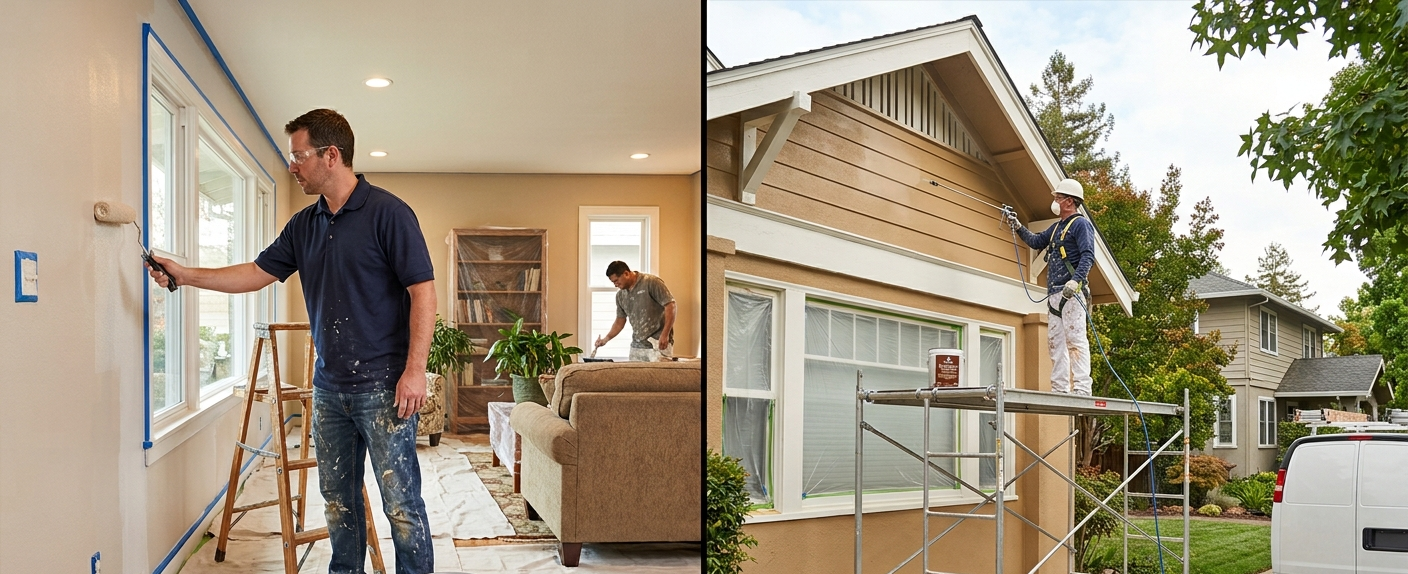
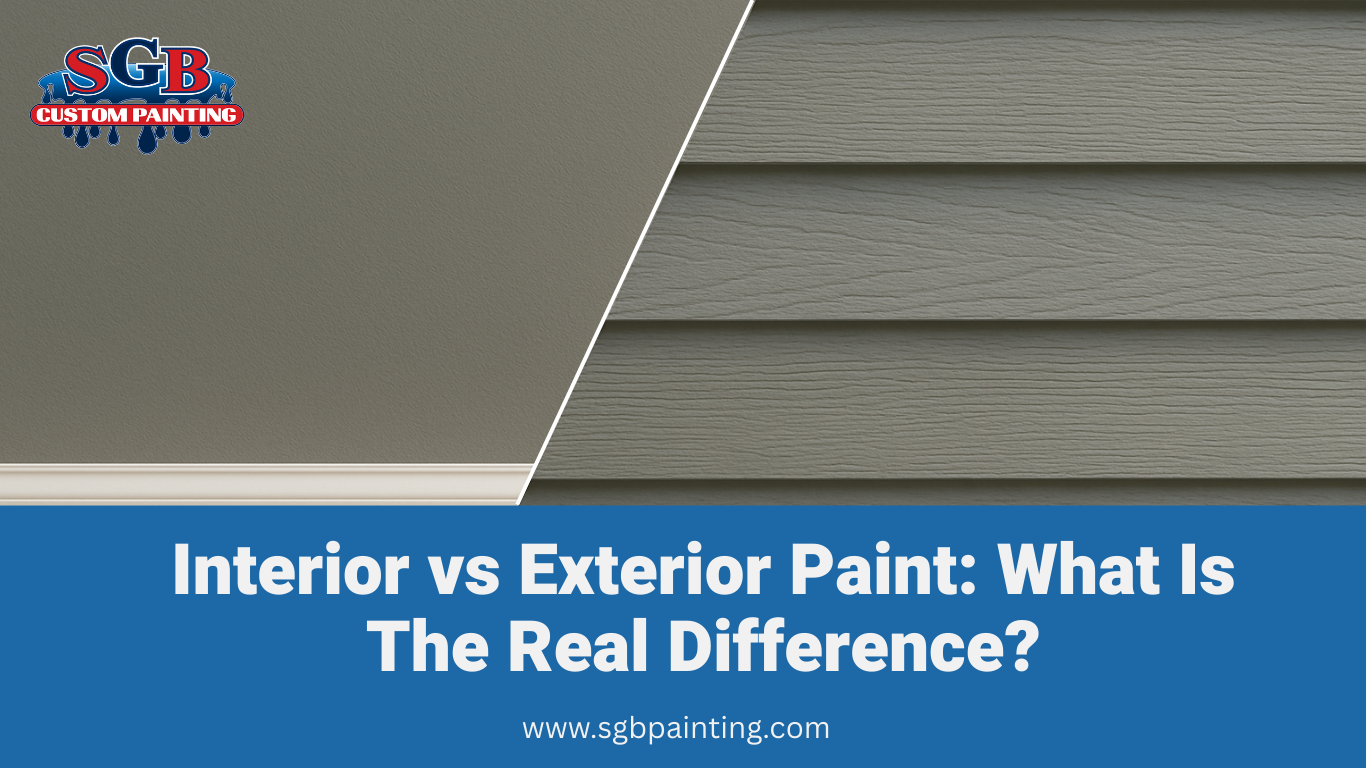
While the liquid looks exactly the same when you pour it into the tray, interior and exterior paints are chemically designed for completely different jobs. One is built to handle the harsh UV rays and temperature swings of a Chico summer. The other is engineered to resist scrubbing, stains, and keep your indoor air safe. Using the wrong one is not just about following rules. It is about avoiding peeling, fading, and potentially harmful fumes in your home. Before you dip that brush, it helps to understand exactly what separates these two products so you can protect your home and your hard work.
Quick Answer: What Is The Difference Between Interior And Exterior Paint?
The fundamental difference lies in the binder (resin) and the additive package used in each formula:
- Exterior Paint (Flexible & Tough): Designed with softer resins that allow the paint to expand and contract with extreme temperature changes without cracking. It is loaded with heavy-duty UV blockers to prevent color fading and harsh mildewcides to stop algae growth. However, this chemistry often relies on solvents that release higher levels of VOCs (fumes) as they cure.
- Interior Paint (Rigid & Safe): Formulated with harder, rigid resins that create a tightly packed shell. This makes the surface resistant to scuffs, stains, and scrubbing damage. Crucially, it uses low-VOC or zero-VOC solvents to ensure indoor air quality remains safe for your family, but it lacks the chemical defenses to survive outdoor weather.
The Bottom Line: Never use interior paint outside; it will crack and chalk within months because it cannot handle thermal expansion. Never use exterior paint inside; it can off-gas chemicals for weeks and is often too soft, causing doors and windows to stick.
The Science of "Binders": Soft vs. Hard
To understand why paint behaves the way it does, you have to look at the ingredients. All paint is made of pigment, solvent, and binder. The binder is essentially the glue that holds the pigment together after the liquid dries. This is where the magic happens. For exterior paint, manufacturers use softer resins. These resins stay flexible even years after they dry. Think about a wooden siding board on a house in Butte County. In August, that wood bakes in the sun and expands. In January, it freezes and shrinks. If the paint were hard and rigid, it would snap and crack as the wood moved. The flexible binder allows the paint to stretch and breathe with the house... preventing those hairline cracks that let water in.
Interior paint uses a harder, more rigid resin. Inside your house, the temperature is usually controlled, so the walls do not expand and shrink nearly as much. However, interior walls take a different kind of beating. They get bumped by furniture, scraped by backpacks, and scrubbed with sponges when the dog shakes muddy water everywhere. A soft exterior paint would scuff immediately and feel sticky to the touch. The hard resin in interior paint creates a tough shell that resists dirt and allows you to wipe away ketchup or coffee spills without rubbing the paint right off the wall.
Why You Can’t Use Interior Paint Outside
If you take that leftover bedroom paint and put it on your front door, it might look great for a few weeks. But as soon as the Chico sun hits it, the trouble starts. Interior paints lack the heavy-duty UV blockers that are standard in exterior formulas. Without that protection, the color will fade very quickly. A rich navy blue door could turn into a chalky grey within a single season because the sun breaks down the pigment itself.
More importantly, interior paint is not built to fight mildew and moisture in the same way. Exterior paints are loaded with mildewcides... special chemicals that stop mold and algae from growing when it rains. Interior paints do not have these harsh chemicals because we do not want to breathe them in. If you use that interior paint on a shady patio column, you will likely see green or black spots growing on it much faster than if you had used the correct product. Eventually, the rigid interior paint will fail to move with the temperature changes, leading to cracking and flaking. This usually results in a messy removal job for your interior painting Chico specialist later on if they have to fix the exterior mistake.
Why You Shouldn’t Use Exterior Paint Inside
Using exterior paint indoors sounds like a good idea if you want super durability, but it is generally unsafe. The chemicals that make exterior paint so tough... the mildewcides, the UV blockers, and the flexible acrylics... often release fumes known as VOCs, or Volatile Organic Compounds. While modern paints are much safer than they used to be, exterior formulas still off-gas these chemicals for a long time as they cure.
Outdoors, the wind carries those fumes away instantly. Indoors, they can get trapped in your bedrooms and living areas. This can lead to headaches, dizziness, or just a bad chemical smell that lasts for weeks. Interior paints are specifically formulated to be Low-VOC or Zero-VOC, meaning they are safe to breathe shortly after applying. Additionally, exterior paint is softer, as we mentioned earlier. If you paint a bookshelf or a door frame with exterior paint, books and doors might stick to the surface even weeks after it feels dry. This "blocking" effect is a common frustration when people try to use outdoor paint on indoor trim.
How To Choose The Right Interior Paint
When you are shopping for interior paint, focus on "scrubbability" and sheen. For high-traffic areas like hallways and kitchens, you want a high-quality acrylic latex or enamel that is rated for scrubbing. This ensures that when you wash a spot, you do not burnish the finish or make a shiny spot.
This ties back to what we shared recently about how pros get smooth walls without streaks. The quality of the paint affects how well it levels out. Cheap interior paints often lack the good resins that help the paint flow smoothly... leaving you with brush marks and a rough texture. Spending a little more on a premium interior line usually pays off because it covers better, hides flaws, and leaves that rich, professional finish we all want.
How To Choose The Right Exterior Paint
For the outside of your home, your main priority is weather resistance. You want a 100% acrylic latex paint for most siding and trim. Acrylic is incredibly durable, holds color well, and resists peeling better than oil-based options or cheaper latex blends. If you have stucco, you might look for elastomeric paints which are extra thick and flexible to bridge small cracks in the masonry.
It is also important to consider the sheen, although the rules are slightly different than indoors. We actually broke down exactly how to match gloss levels to your lifestyle in our previous guide. While that focused on balancing light and cleaning inside... outdoors we often use satin or low-lustre finishes for the main body of the house. These sheens shed water and dirt better than flat paint but do not shine so much that they look like plastic. A pro focused on exterior painting Chico properties will typically recommend a semi-gloss for exterior trim and doors to highlight those details and provide the toughest protection against kicking and banging.
Can Any Paint Do Both?
You may have seen "Hybrid" or "Interior/Exterior" paints on the shelf. These products do exist and are becoming more popular for specific niches... like painting doors or concrete floors. They usually use a specialized resin that offers some of the flexibility of exterior paint with the hardness of interior paint.
However, most professional painters still prefer dedicated products for dedicated spaces. A jack-of-all-trades paint is rarely the master of one. It might be okay for a garage door that faces inside and outside. But for your living room walls or your siding, you are almost always better off with a product specialized for that exact environment. If you are unsure, reading the label or asking a pro is always safer than guessing.
The Role of Additives: Mildew and Sunlight
We touched on this, but it is worth a deeper dive. Exterior paints are essentially chemical shields. In Chico and Butte County, our biggest enemy is the sun. As the experts at Lowe's explain in their comprehensive buying guide, exterior formulas rely on specific UV additives to stop the binder from breaking down in sunlight. This is why a premium exterior red paint stays red for years... while a cheap one turns pink.
Interior paints focus their additives on flow and texture. They have modifiers that help the paint splash less when it is rolled and settle down smoothly before it dries. They also have stain blockers that prevent tannins or grease from bleeding through. These additives are useless outside... just as UV blockers are useless inside. This chemistry is why the price difference exists. You are paying for the specific ingredients that solve the problems of that specific environment.
When To Call A Professional
If you have a stack of old paint cans in the garage and you are not sure which is which... or if you are planning a project and feel overwhelmed by the choices... it might be time to call for backup. A professional interior painting Chico expert can identify what was used on your home previously and recommend the compatible product for a topcoat. Using the wrong paint over an old surface can sometimes cause bubbling or peeling if the chemistries react poorly.
Professionals also have access to product lines that you might not find at the big box store. They know exactly which exterior formulas have the best track record for surviving our local heat waves. Instead of guessing and risking a do-over in a year, getting a consultation can ensure the right chemical bond happens the first time.
How SGB Custom Painting Can Help
At SGB Custom Painting, we see the results of using the wrong paint all the time, and we know how frustrating it is to see a project fail. We believe that educating our clients is just as important as doing the work. Whether we are helping you select a low-VOC paint for a nursery or a high-performance UV-resistant coating for your south-facing siding... we explain the "why" behind every recommendation.
If you live in Chico, Paradise, or the surrounding area, we are here to help you navigate these choices. We can handle the entire project for you, ensuring that every square inch of your home is covered with the safest, longest-lasting product available. If you are ready to stop guessing in the paint aisle and start seeing beautiful, lasting results, reach out to SGB Custom Painting today. We will make sure the inside stays cozy and the outside stays tough, just like it should be.
About SGB Custom Painting
SGB Custom Painting is a trusted Chico Painting Contractor known for clean prep, clear communication, and color that holds. For more than twenty five years, our local team has delivered interior, exterior, and cabinet projects for homes and businesses with careful protection, proper priming, and tidy jobsites. We follow EPA lead safe practices on older properties, keep schedules dependable, and give every project the respectful touch the North Valley deserves.
Love Your Space Again, Starting Today!
Locally Owned & Operated • EPA Lead Safe Certified • CSLB Licensed
Call 530-924-4109 or complete the form and expect a friendly call to confirm scope, discuss color options if needed, and deliver a no surprise estimate you can approve with confidence.
Contact Us
Refresh Your Home With Professional Painting
If you are thinking about repainting your interior, freshening up exterior siding, updating tired kitchen cabinets, or giving your business a cleaner look, our team is here to help you plan it right and paint it to last. Reach out to SGB Custom Painting to talk through your project, get honest expert guidance, and take the next step toward a home or workspace you will be proud of every day.
Follow Us
Elevate Your Space with SGB Custom Painting